

Reframing a travelling pavilion for acoustic performance
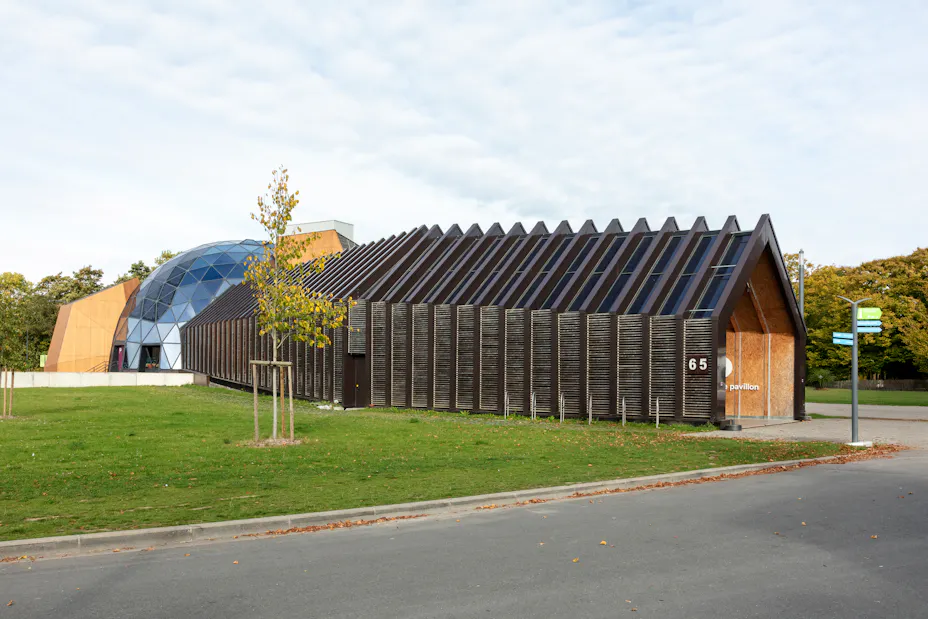
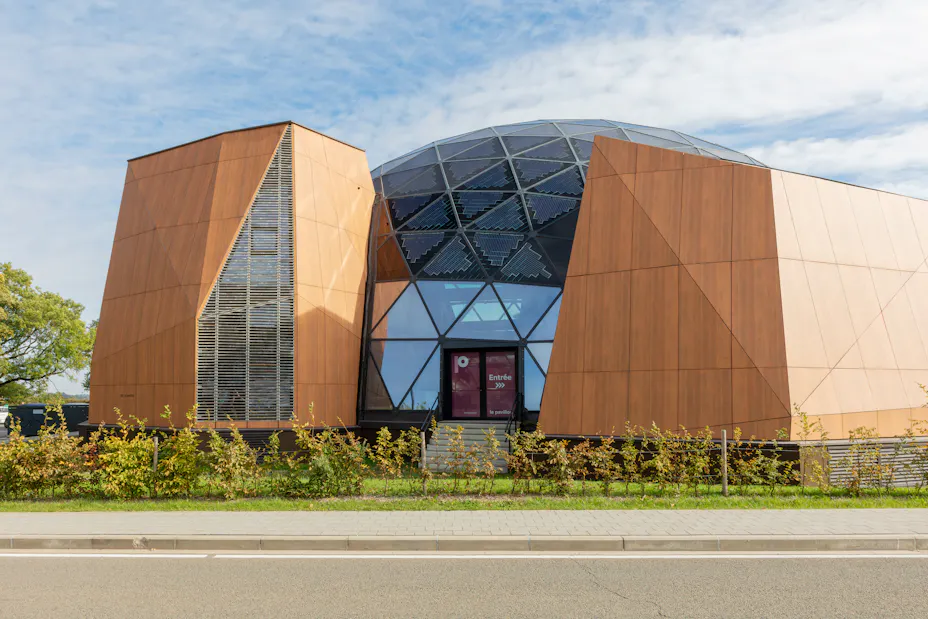
Towering above the centre of Namur in Belgium, Le Pavillon rises from the Citadel like a futuristic artefact. Defined by its high dome and lightweight, demountable structure, the building was conceived as a symbol of innovation. Yet once repurposed as an exhibition space, this same architecture revealed a critical flaw: uncontrolled reverberation that disrupted the visitor experience.
Addressing the challenge called for an acoustic strategy that could work within the building’s expressive form while preserving its visual identity. The solution was achieved through a carefully integrated combination of Rockfon ceiling and wall systems.
From Italy to Belgium
Le Pavillon began its life as the Belgian pavilion for Expo 2015 in Milan. Designed by architect Patrick Génard, the building was conceived as a “lobed city” – a spatial model responding to urban density through interconnected neighbourhoods and green corridors.
With its sustainability and energy performance, the building was considered one of the most successful of the 53 pavilions at the Milan exhibition. Patrick Génard also sees his architecture as an ode to Belgium’s history. The long corridors are reminiscent of farms in the Ardennes, while the dome references the royal greenhouses in Laeken, Brussels.
Following the Milan Expo, the pavilion was dismantled in line with sustainability requirements. The City of Namur acquired the structure and rebuilt it on the Citadel, transforming it into a permanent cultural venue – "Wallonia's new digital reference point" – and entrusting it to the non-profit association KIKK for management.
A new function with new acoustic demands
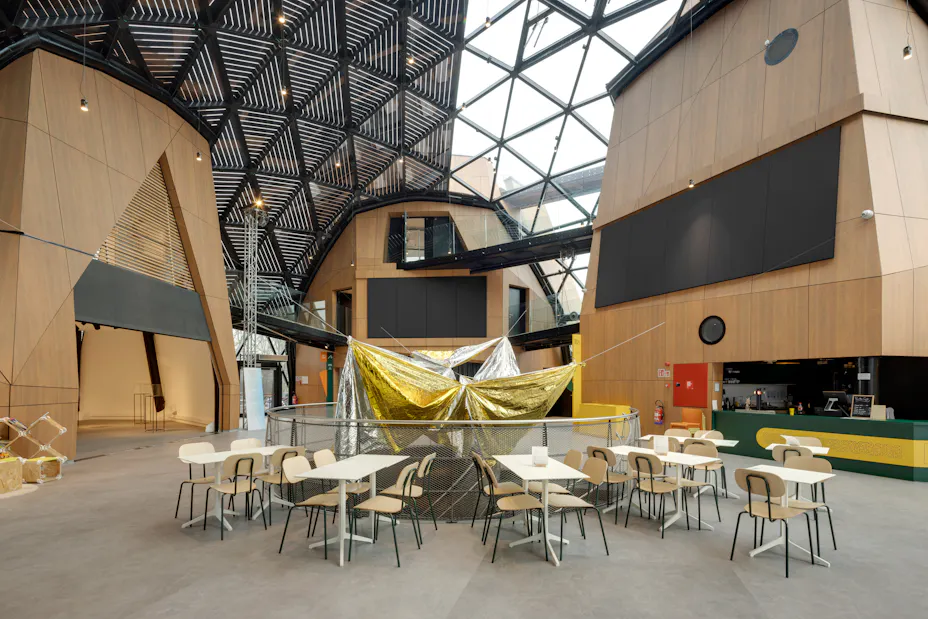
With its new role as an exhibition centre, Le Pavillon began hosting immersive installations combining sound, movement, and digital media. However, its material palette – glass, concrete, and metal – created highly reflective surfaces that amplified sound.
Visitors quickly reported discomfort. Sound lingered and overlapped, interfering with the experience of the exhibitions. An acoustic study carried out by ASM Acoustics confirmed excessive reverberation throughout the building.
“The study quickly revealed that there was a lot of reverberation in the space,” says Julien Somville, specialist technical engineer for the City of Namur. “Because the building is multifunctional – exhibitions with digital content including sound, a pop-up bar, conference room, and it can be rented by third parties – high acoustic requirements must be met.”
To address these challenges, a project team was formed including Cabinet d’architectes p.HD and finishing company Brion & Charlot.
“We held several meetings with all parties involved. These led to the development of effective solutions tailored to the specific layout of the rooms. The main solution involved a combination of Rockfon products. We have experience in using these products in projects where the acoustics need to be improved. That is why we recommended using only Rockfon products,” says Marc Chalot, Director at Brion & Charlot.
Integrating acoustic solutions into the architecture
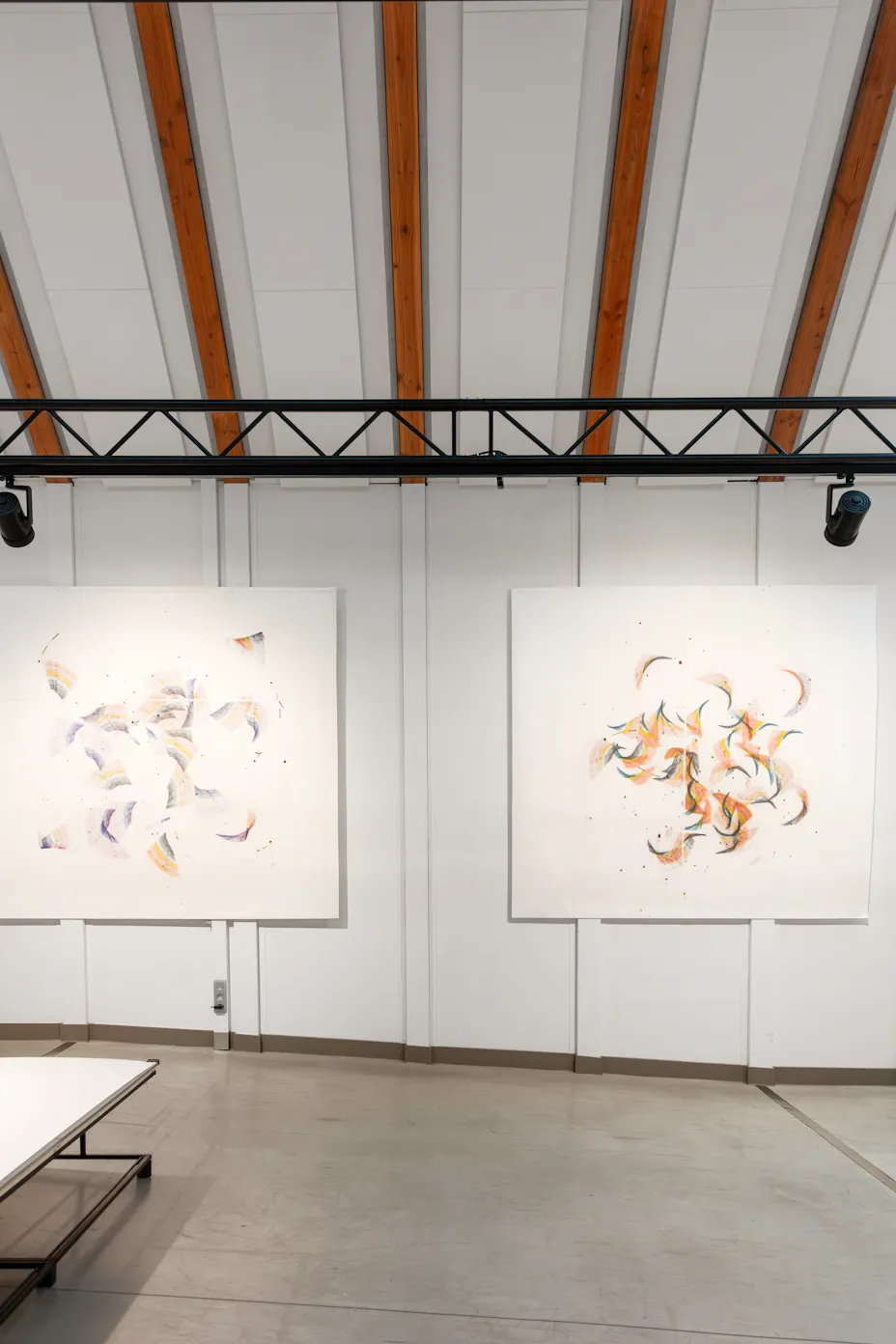
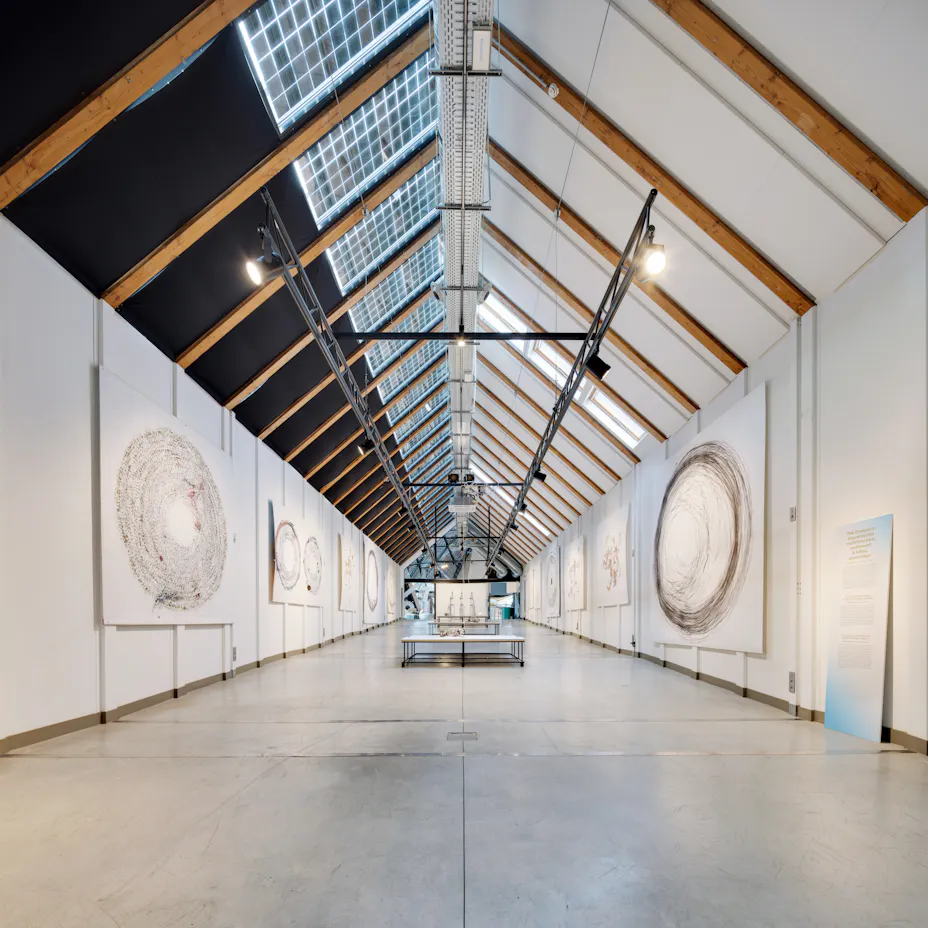
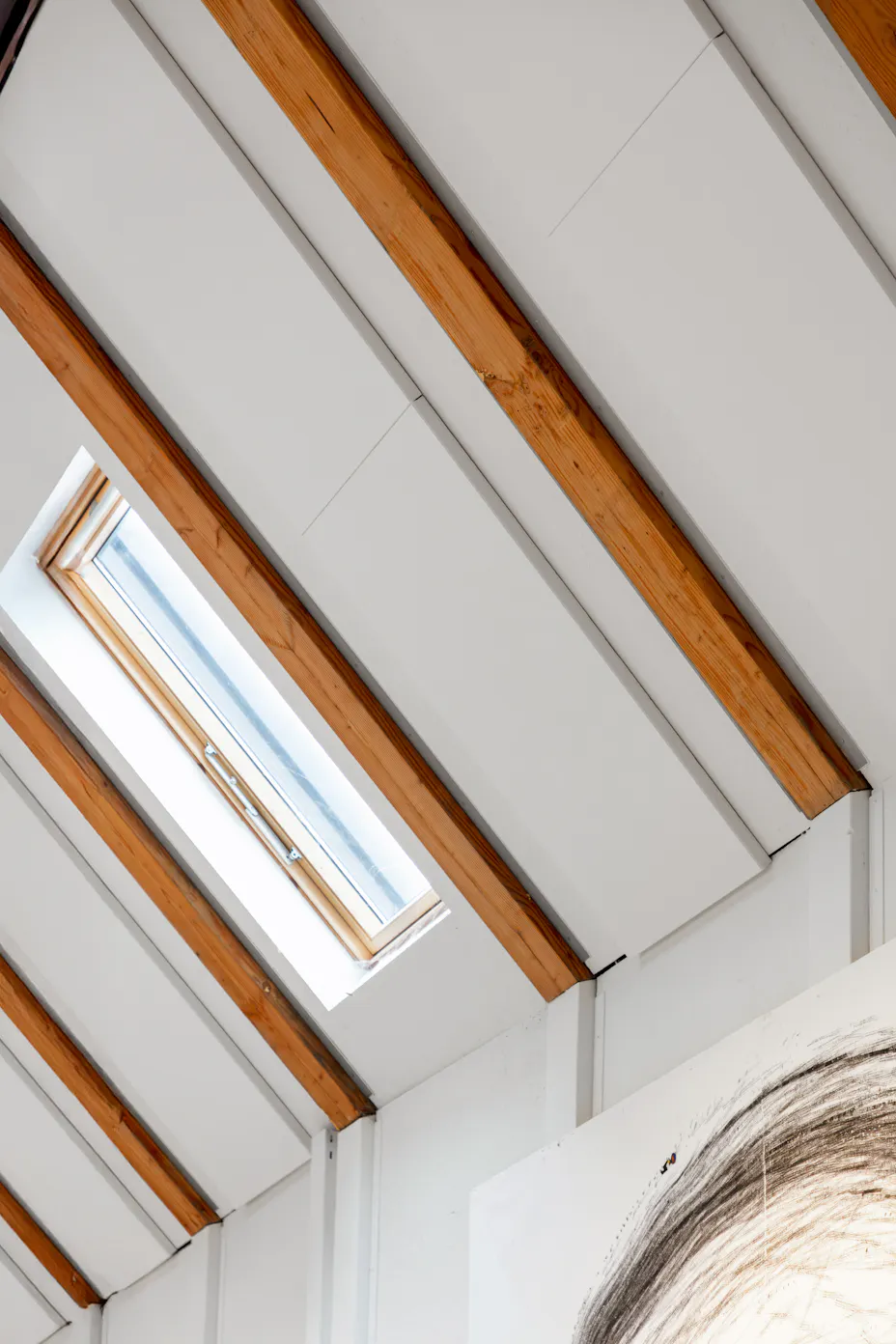
The design team developed solutions that could sit naturally within the architecture. In the corridor leading to the atrium, acoustic comfort was improved by installing ceiling tiles between the wooden trusses.
“We recommended Rockfon Blanka Activity acoustic ceiling tiles with the B edge,” says Frédéric Mélotte, Area Sales Manager at Rockfon. “The matte, non-directionally bound surface reduces installation time. In addition, the 40mm thickness ensures optimal sound absorption. The tiles are highly resistant to dirt and normal wear and tear, which extends the product's lifespan. The application between the wooden trusses on one side of the corridor not only improves the acoustics, but also has an attractive aesthetic appearance".
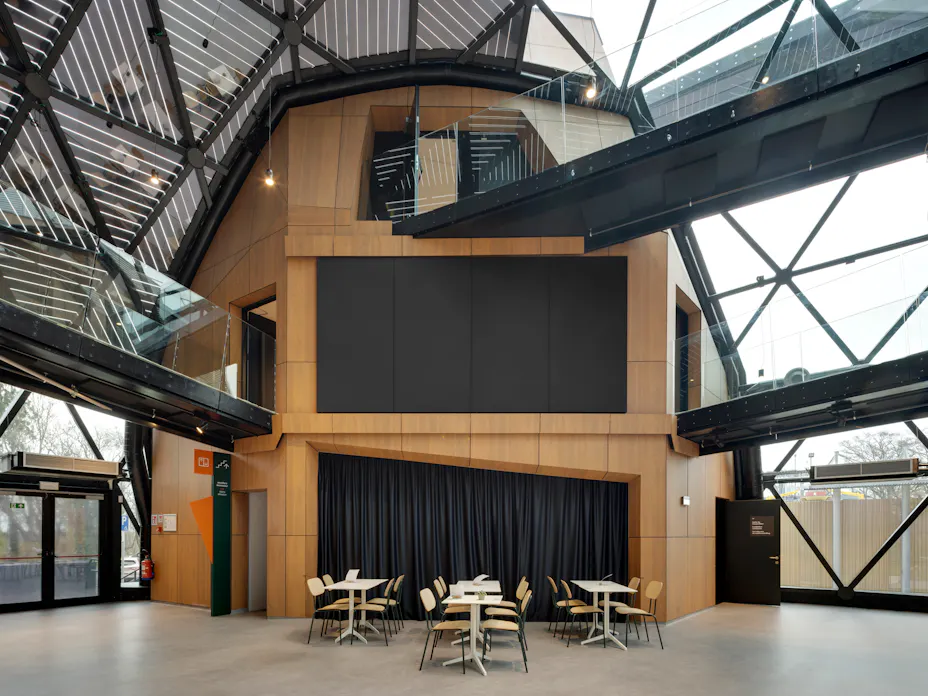
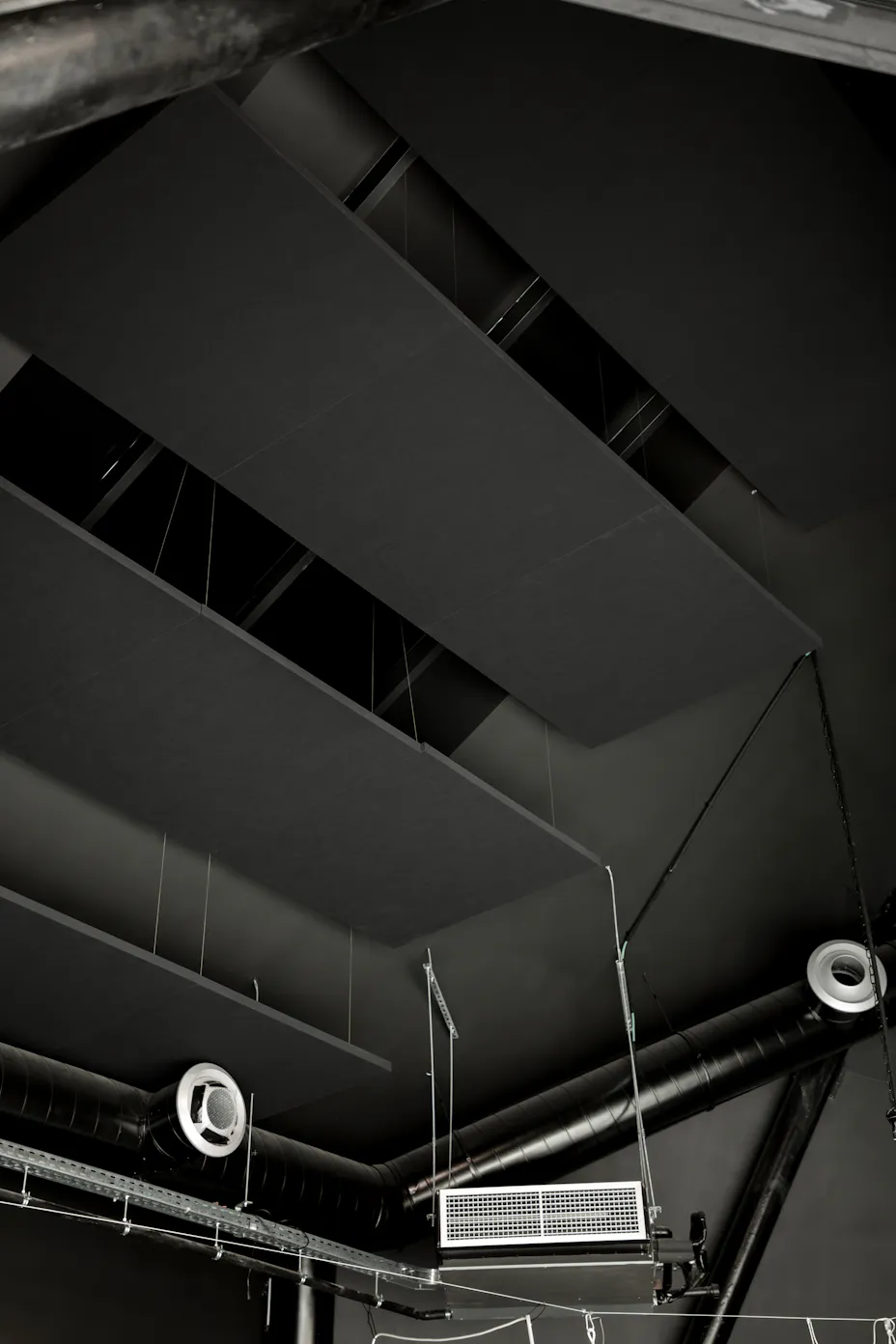
In the atrium, the acoustic solutions were designed to remain visually discreet. “Once again, an attractive aesthetic solution has been chosen. The black Rockfon Canva wall panels blend into the surroundings. The black colour is echoed in the steel undersides of the walkways that connect the various spaces on the first floor," says Frédéric Mélotte. In addition, Rockfon Color-all tiles in Charcoal with the B-edge are bonded on the undersides of the walkway.
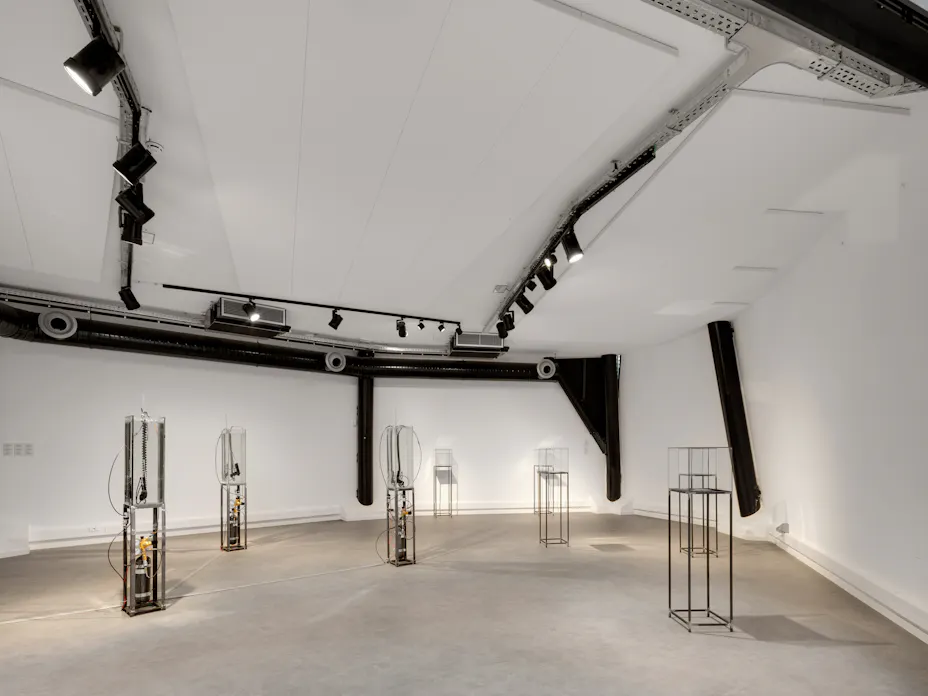
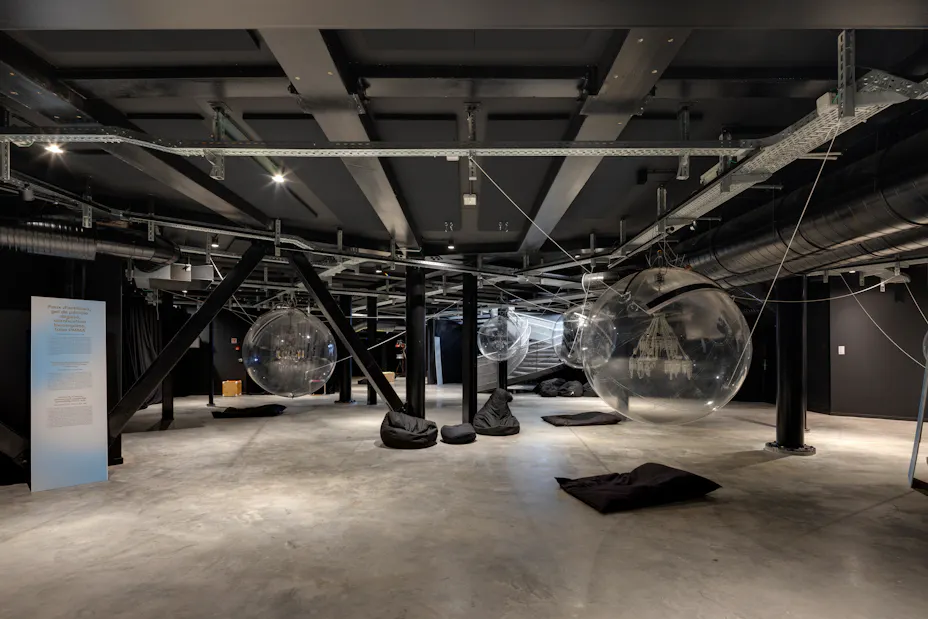
In darker exhibition rooms, Rockfon Color-all ceiling tiles were fixed directly to the structural ceiling, positioned between steel beams to maintain an industrial expression.
Elsewhere, Rockfon Eclipse floating ceiling panels were introduced, their frameless form adding depth while absorbing sound. "The stone wool edges are visible and give the whole an industrial look,” explains Frédéric Mélotte.
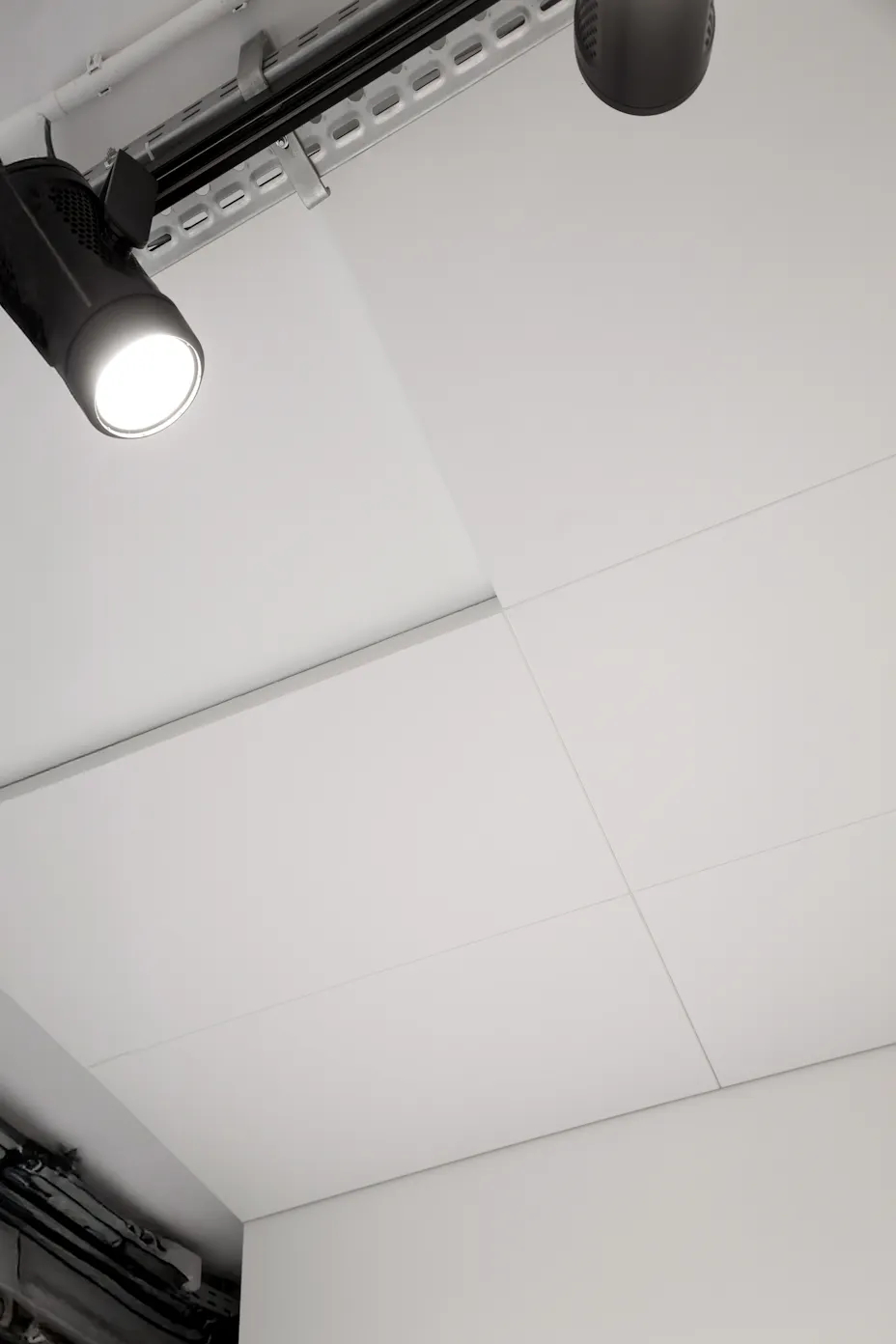
In contrast, lighter spaces featuring installations of objects and artefacts were treated with Rockfon Blanka Activity B panels, supporting clarity and calm within visually minimal environments.
A perceptible improvement
Following installation, a second acoustic study confirmed that the required performance levels had been achieved. More importantly, the improvement was immediately perceptible to visitors.
The pavilion’s installations demand movement, interaction, and sensory engagement. Works such as The Creepers by Vivier Roubaud transform the interior into a constantly evolving environment of colour, motion, and sound.
By reducing reverberation and controlling sound levels, the acoustic interventions allow these installations to be experienced as intended, and visitors can focus on the interplay between visual and auditory elements without distraction.
Julien Somville reflects on the outcome: “Le Pavillon is a very modern building, which calls for modern products. We were also looking for products that are modular, and that is exactly what Rockfon offered with different colors and different sizes.”
“After we installed the recommended acoustic solutions, a new acoustic study was conducted. This showed that the requirements were met. More importantly, visitors immediately noticed an improvement in the acoustics and thus in their experience,” says Marc Chalot.